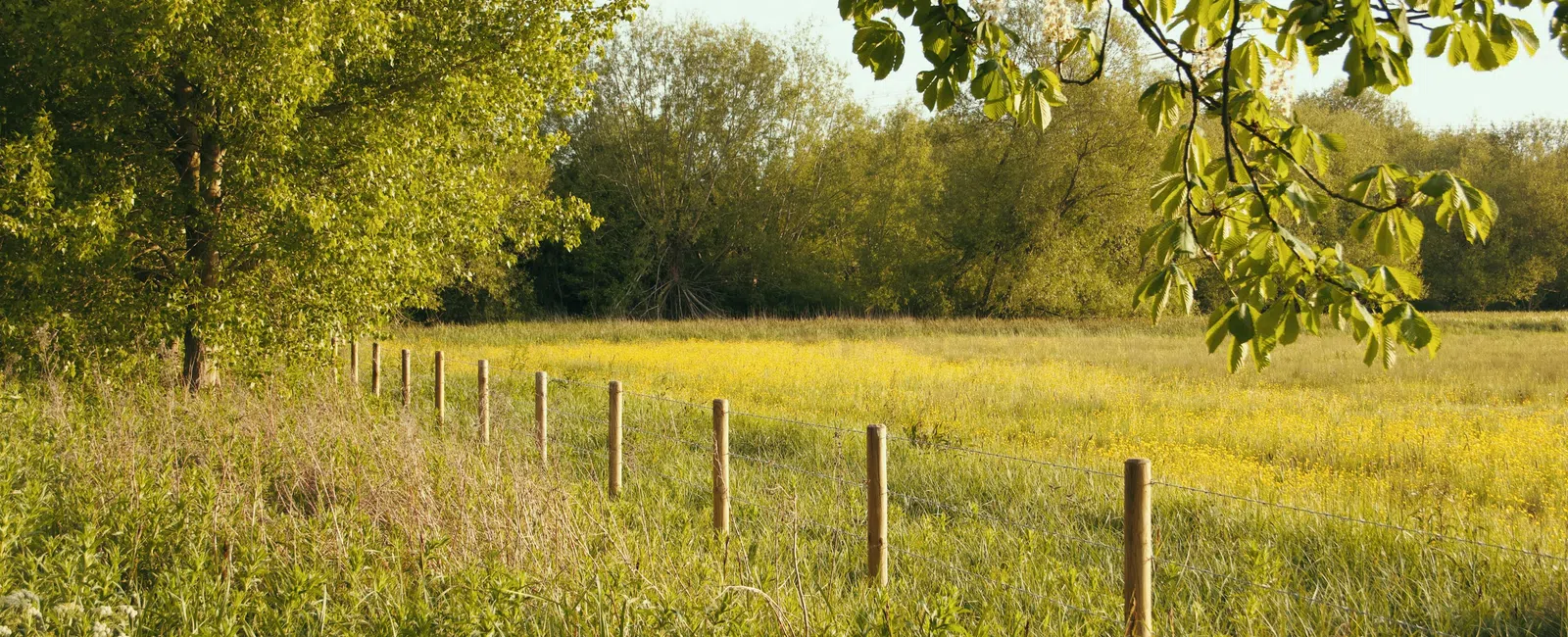
What You Get Back When You Clear Overgrown Land
Overgrown
ground is not neutral. Every year the brush stands, it takes something from
you: grazing acres lost to multiflora rose and autumn olive, fence lines you
cannot walk, dead fuel stacking up against the tree line, and snakes and ticks
moving in closer to the barn. Clearing is not about tidiness. It is about
pulling productive, usable, safer land back out of the brush. On a Southwest
Virginia farm, here is what that actually buys you.
More Grazing, Not Just Less Brush
The clearest
return is forage. A pasture edge that has gone to briars and saplings is
carrying cattle on a fraction of the ground it should. Open the canopy and
grind out the brush, and grass comes back into acres that were paying you
nothing. For a cow-calf operation, professional land clearing is often cheaper than buying or
leasing more ground, because you already own the acres. You are just taking
them back.
Invasive Brush Loses Its Grip
Multiflora
rose, autumn olive, and bush honeysuckle do not stop on their own. They spread
a little more every season until open pasture becomes a thicket. Grinding them
at the base sets them back hard and reclaims the ground in one pass. They are
stubborn, so the invasives that resprout are best knocked down again with a follow-up bush hogging pass the next season.
Stay ahead of them, and the land stays open instead of sliding back into brush.
Forestry Mulching Leaves the Ground Protected
How you clear
matters as much as whether you clear. Forestry mulching grinds brush and small trees in place and
leaves the chips behind as a mulch layer. That layer holds soil on a slope,
feeds it as it breaks down, and slows the regrowth underneath. There are no
burn piles to babysit and no bare dirt washing into the creek after the first
hard rain. On the rolling, wet ground common across this region, that
protection is worth as much as the clearing itself.
Lower Fire Risk and Fewer Pests Close in
Dead standing
brush and a wall of saplings against the woods is fuel. Cutting it back opens a
buffer between the tree line and your barns, equipment, and home, which matters
more in the dry stretch of late summer. The same work takes away cover close to
the buildings, so ticks, snakes, and rodents have fewer places to den right
where you walk and work every day.
Land You Can Use, Fence, and Build On
Cleared ground
is ground you can do something with. Sightlines open up, you can get equipment
where it needs to go, and an overgrown fence line becomes one you can inspect,
repair, or re-fence properly. Whether the plan is a new
paddock, a building site, or just land you can walk without a machete, clearing
turns dead acreage into usable acreage, and usable acreage is what carries
value.
What Clearing Gives Back, By Problem
|
The overgrown problem |
What clearing delivers |
Why it matters in SWVA |
|
Brush-choked pasture |
Reclaimed grazing acres and more forage |
More cattle per acre without buying land |
|
Multiflora rose or autumn olive spreading |
Invasives ground out at the base |
Stops the slow loss of open ground |
|
Fuel stacked against the woods |
A cleared buffer and lower fire risk |
Dry late summers raise the danger |
|
Overgrown fence lines |
Lines you can walk, fix, and re-fence |
Fences you can actually inspect |
|
Brushy ground near the barn |
Less cover for ticks, snakes, rodents |
Safer footing where you work daily |
Common questions
Is land clearing bad for the
environment?
Done
selectively, no. Forestry mulching keeps the good hardwoods and shade trees and
takes out the brush and junk growth, and the mulch layer it leaves protects the
soil rather than stripping it. The goal is healthier, more usable land, not
bare dirt.
Will the brush just grow back?
Invasives like
multiflora rose and autumn olive resprout from the roots, so a single pass sets
them back but does not always finish them. A maintenance mowing the following
season keeps them from taking the ground again.
Does clearing cause erosion?
Bare-dirt
methods can. Forestry mulching does the opposite, because the ground stays
covered by a layer of chips that holds soil in place on slopes and through
heavy rain.
How much of my land should I
clear?
Only what you
will use. Leaving windbreaks, shade for cattle, and a buffer along streams is
usually the smarter call than clearing fence to fence.
Get Your Land Working Again
Ranch Hand clears overgrown pasture, fence lines, and brush across Southwest Virginia, with forestry mulching that protects the ground it leaves behind. Contact us today.